The enterprise panel becomes compulsory for every issue.
Infrastructure should preserve efficient access while allowing the matter to demand a different professional where role, sector, jurisdiction, conflicts or availability require it.
Professional infrastructure means an organisation, market or profession does not have to invent independent process from zero every time pressure appears. It can recognise the need, identify the right Neutral function, find credible professionals, verify standing, clear conflicts, define authority and preserve the appointment record through systems that already exist. The infrastructure should make independence easier to access without making it automatic, bureaucratic or institutionally controlled.

Readiness is not the same as pre-deciding the professional or procedure. Good infrastructure keeps the route available while preserving matter-specific choice.
Each layer reduces a different kind of friction. Together they allow independent professional capability to become usable at scale without losing professional boundaries.
People can recognise when a situation may benefit from independence before they know the exact procedure. Situations, governance routes and sector pages help users start from the real pressure.
The system translates need into function: evaluation, mediation, facilitation, chairing, Standing Neutral, Ombuds, determination, arbitration or another defined Neutral role.
Certification and public professional records make claims about Neutral identity and capability more visible and verifiable.
Practice, sector, jurisdiction, language and corridor evidence allow the user to move from role into professionals without discarding the context that made the search relevant.
Shortlist, conflicts, availability, mandate, fees and matter records turn discovery into a professional appointment that can be explained later.
Standing programmes, project systems, board Neutral systems and Ombuds systems create recurring access while preserving the independence of each actual engagement.
Standards, conduct, complaints, certification governance and institutional transparency create accountability beyond the individual appointment.
Research, Practice Notes, CPD, Academy pathways, faculty and professional contribution allow the infrastructure to improve rather than remain static.

Standing Neutral and Dispute Board systems demonstrate the idea clearly. The project can know who the independent professionals are, how they stay familiar, what triggers formal involvement, what information they receive, how conflicts are refreshed and what role they perform when activated. The infrastructure exists before the issue. The authority is still defined when the issue arrives.
Neutrality as infrastructure means independent professional capability is available by design, not only by emergency.
This is why the profession extends beyond dispute resolution. Infrastructure can support governance, projects, institutions, family systems, commercial relationships and cross-border decisions before, during and after conflict.
The organisation should know where to go when independence is needed. Confidential intake, role matching, search and appointment routes reduce the delay between recognising the need and reaching an appropriate professional.
Infrastructure should preserve efficient access while allowing the matter to demand a different professional where role, sector, jurisdiction, conflicts or availability require it.
Administrative governance can review professionalism, process and service. It should not punish independent judgement because it was inconvenient.
Separate appointment metadata and properly governed anonymised learning from merits, private communications and confidential professional material.
Every activation still needs a defined function, conflict review where appropriate and authority that can be explained.

Corridor, jurisdiction, sector and language context can improve the search while public professional records and verification keep trust anchored in evidence.
Only currently published professional records are shown.

Arbitrator & Mediator
Published record: Lived in Zimbabwe (formerly Rhodesia) from 1947 to 1983. Graduated BA LLB from University of Cape Town in 1966. Member of the Zimbabwe Bar from 1967 to 1983. Joined Legal…

Principal
Published record: Alicia heads Sladen Legal’s Dispute Resolution and Litigation team. She is an Accredited Specialist in Commercial Litigation with the Law Institute of Victoria, a Nationally Accredited Mediator with the Resolution…

Arbitrator & Mediator
Published record: PRATAP KISHAN – DIRECTOR, HO WONG LAW PRACTICE LLC Mr. Pratap Kishan’s scope of legal practice has been very wide and across various areas of law, ranging from the simple…
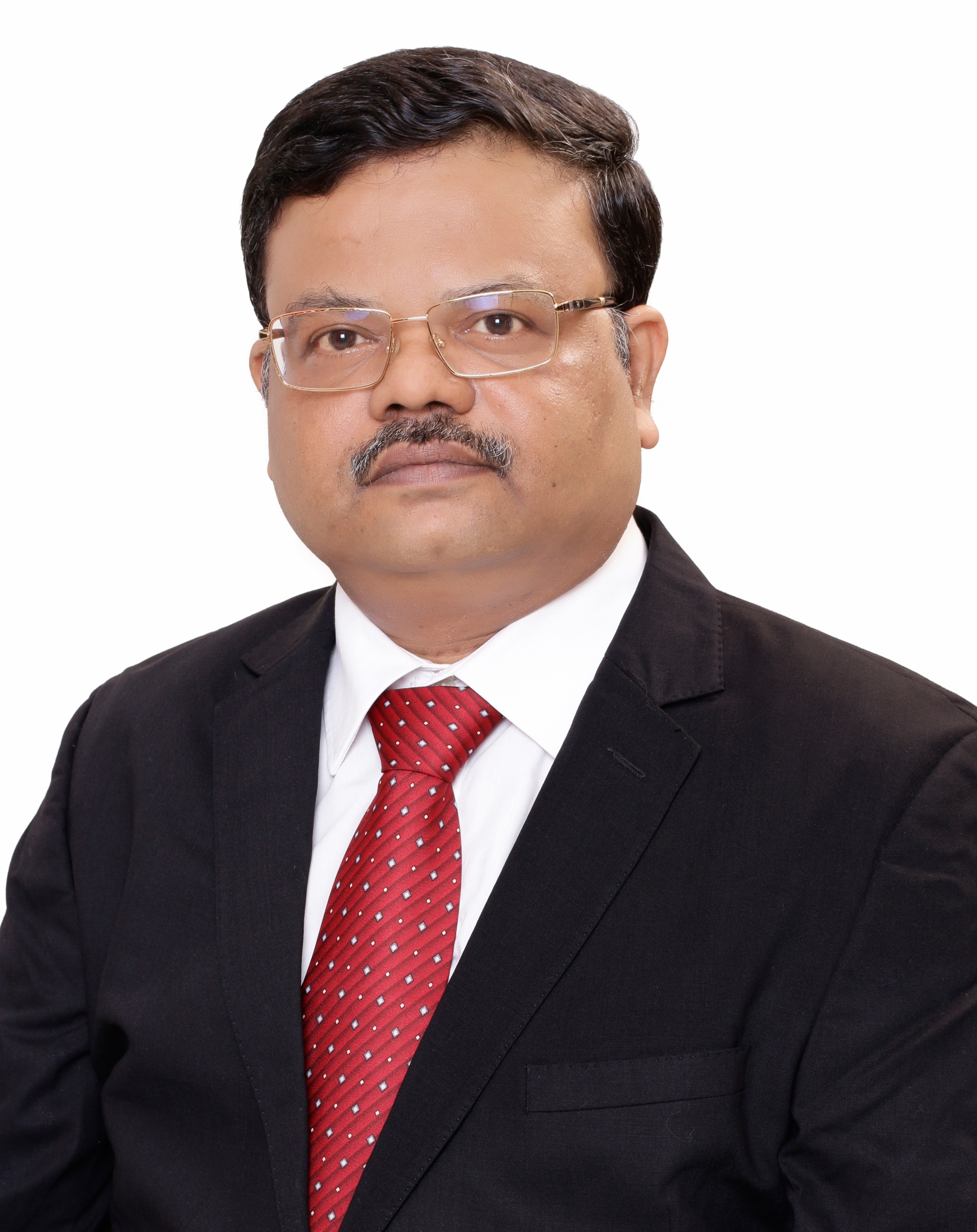
Advocate
Published record: FIDIC Certified Adjudicator / Mediator since May 2022. The first Indian to be featured in FIDIC’s Presidential List of Worldwide Arbitrators since 2022. Empanelled as Arbitrator / Mediator with APCAM…

