Neutral is not management
Standing context and facilitation do not transfer executive or operational responsibility.
Professional boundaries protect independence from becoming ambiguity. A Neutral may become deeply familiar with a project without becoming project manager. A Neutral Chair can control a meeting without becoming a director. An evaluator can form a strong professional view without becoming the decision-maker. An Ombuds can listen privately without becoming an investigator. A mediator can understand each side without becoming counsel. Boundaries are not a reduction of professional usefulness. They are what allow users to trust the function without losing sight of responsibility.
Standing context and facilitation do not transfer executive or operational responsibility.
Professional legal background does not convert an independent mandate into representation.
Ombuds, review and facilitation roles need separate authority before formal fact-finding begins.
Independent chairing or evaluation should not silently create fiduciary or voting authority.
Public, professional and institutional authority remains with the body empowered to hold it.
Family and private-wealth work can be deeply relational while trustee duties remain separate.
Sector knowledge should not expand into hidden technical, financial or strategic consultancy.
Evaluation, mediation and facilitation remain non-adjudicative unless a valid mandate says otherwise.

A vague mandate often becomes broader through ordinary conversation. The board asks the evaluator to "tell us what to do". The project team asks the Standing Neutral to "keep an eye on performance". The Ombuds is asked to "find out what really happened". The Neutral Chair is asked to "break the tie". Professional discipline means stopping long enough to ask whether the role has changed.
Pause. Standing familiarity, facilitation or project context does not automatically create management authority. Keep operational responsibility with the authorised team unless a separate role is deliberately created.
Trust should not silently expand authority.
The professional should be able to say yes to useful work and no to authority the role does not carry. That is not rigidity. It is what protects every participant from discovering the boundary only after something has gone wrong.
Private settlement communications may create information imbalance. Consider whether another professional should take the evaluation.
The informal process may not have collected evidence under rules suitable for formal findings. Redesign or separate the role.
Continuing familiarity can help or create fairness concerns. Re-check mandate, conflicts, prior information and participant expectations.
Process authority does not become substantive governance authority without an express valid basis.

Clear boundaries make independent process stronger because responsibility does not disappear behind it.
Only currently published professional records are shown.

Arbitrator & Mediator
Published record: Mr. Granof is a member of the State Bar of Wisconsin, the Washington State Bar, the Professional Liability Underwriting Society (PLUS), and the Chartered Institute of Arbitrators, where he attained…

Arbitrator & Mediator
Published record: Nityesh is a Barrister-at-Law (Inner Temple) having practised in Mauritius for the past 4 years, a Mediator (UK and US) and an International Trade Specialist. He is a holder of…

Arbitrator & Mediator
Published record: Russell is an expert arbitrator and dispute resolution lawyer and leads the firm’s arbitration practice. Russell is recognised for his work in major and complex disputes, having advised some of…
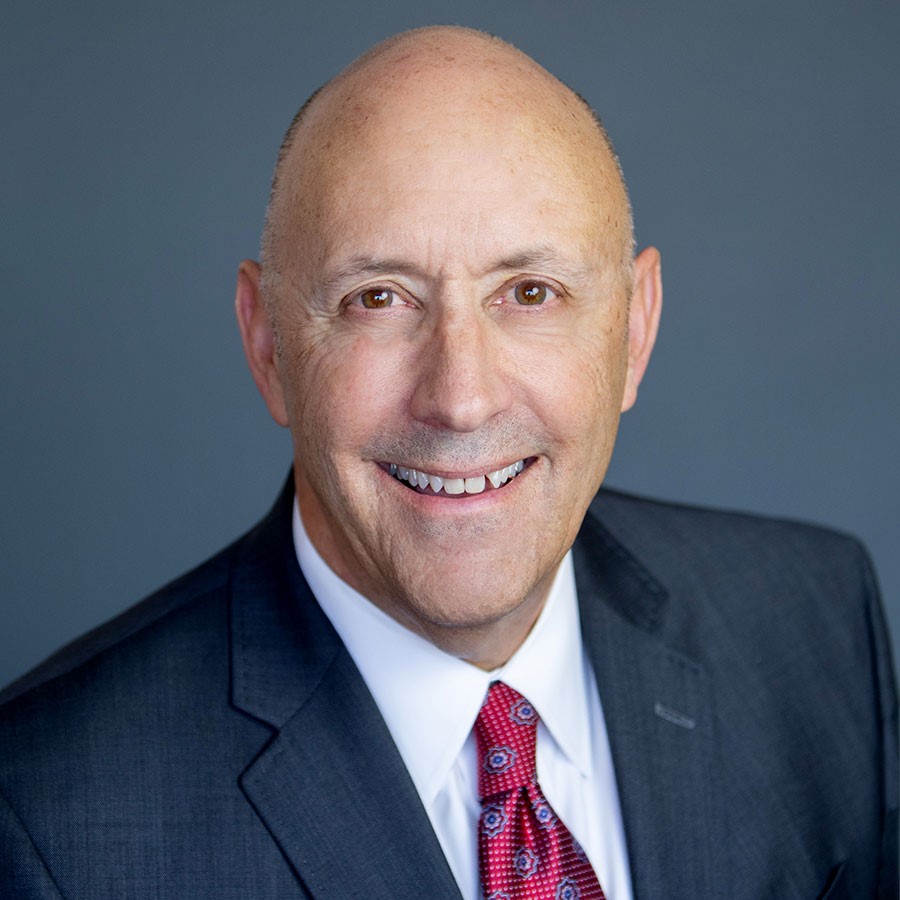
Arbitrator & Mediator
Published record: Judge Miller presided over one of Colorado\\\'s busiest trial courts for nearly twelve years, where he was praised by attorneys, litigants and jurors for his sense of fairness, his preparation,…


